
Imagining the Future
In September 2025, TOYNO took part in Expo 2025 Osaka, under the theme Designing Future Society for Our Lives, at the Portuguese Pavilion. Our proposal was simple yet bold: to imagine.
We invited visitors to think about the world 100 years from now.
How will we live? Where will we live? What will our relationship with technology and nature be like? with others?
We started from the sea, with an immersive experience inspired by the exhibition “Natural Variations”, developed in collaboration with the National Museum of Natural History and Science. But what we brought to Japan was more than an exhibition: it was a challenge, open to many answers. And, of course, plenty of notebooks, pencils and pens to collect those ideas.
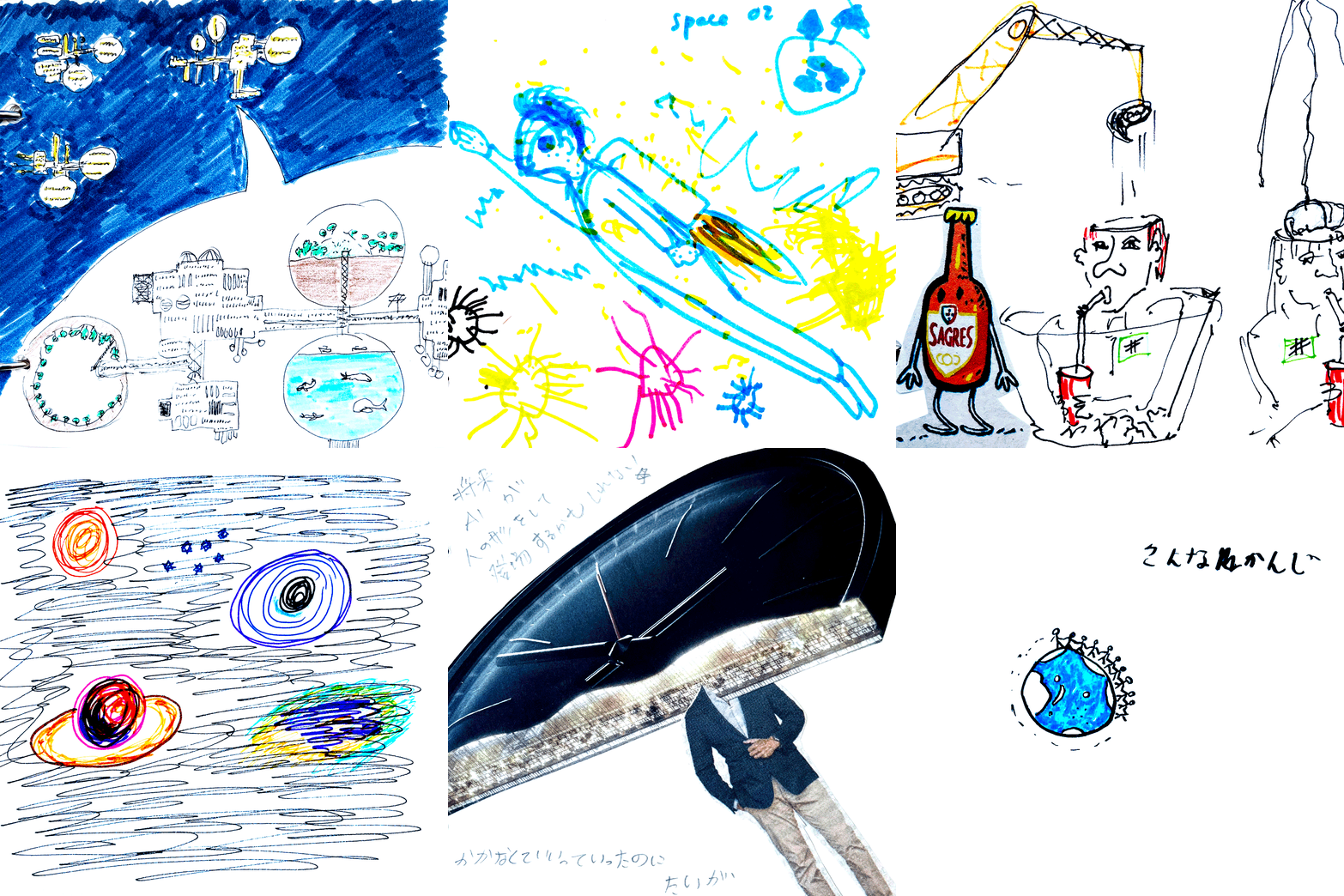
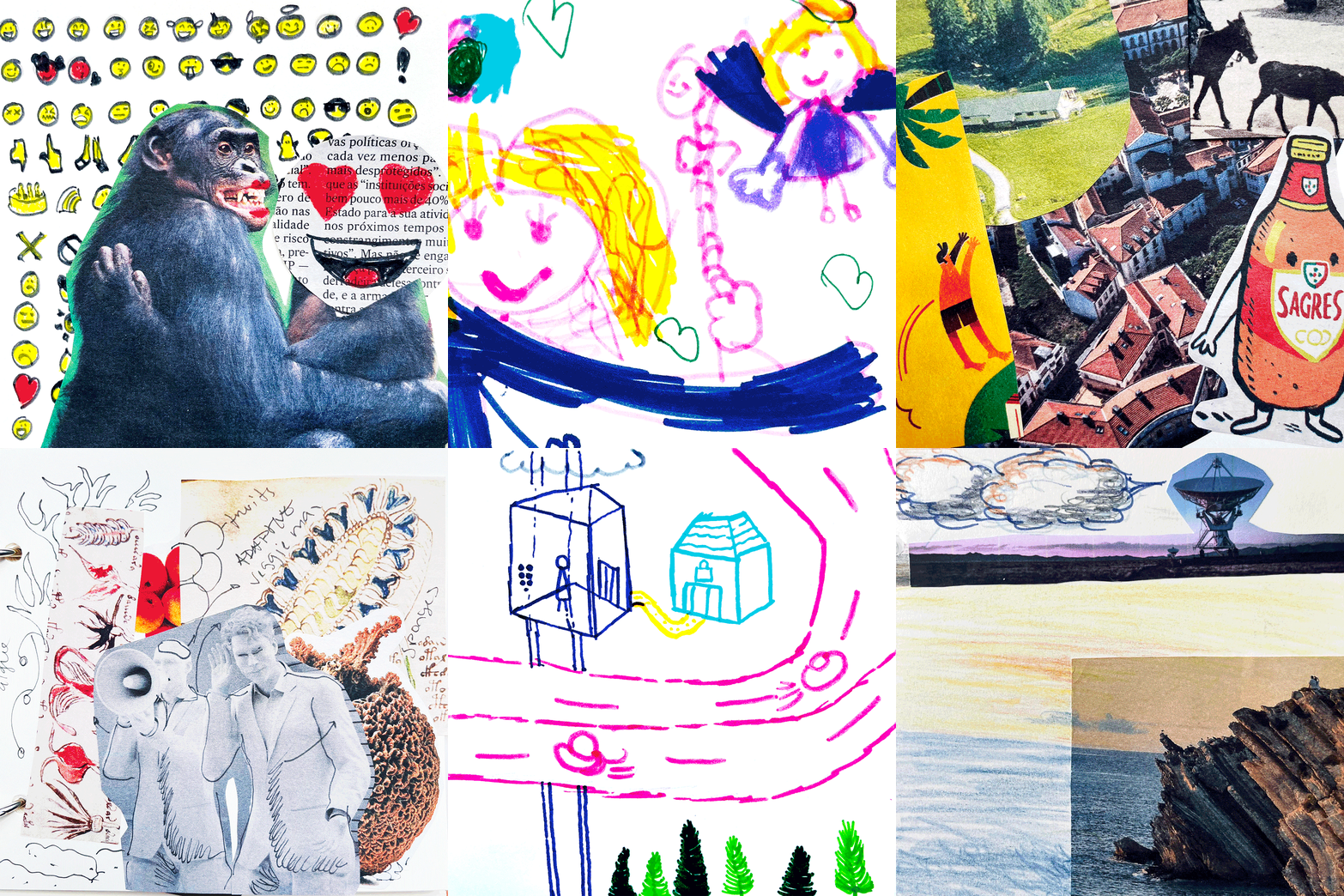
In total, 323 visions of the future were written and drawn by people from 11 countries. Most came from Japan, but the ideas spanned several continents. Children and young people took part the most, often through clear, expressive drawings. Older participants responded with restraint, using words like “preservation” and “balance”. The word “peace” appeared repeatedly, as a kind of shared foundation across countries, ages and genders.
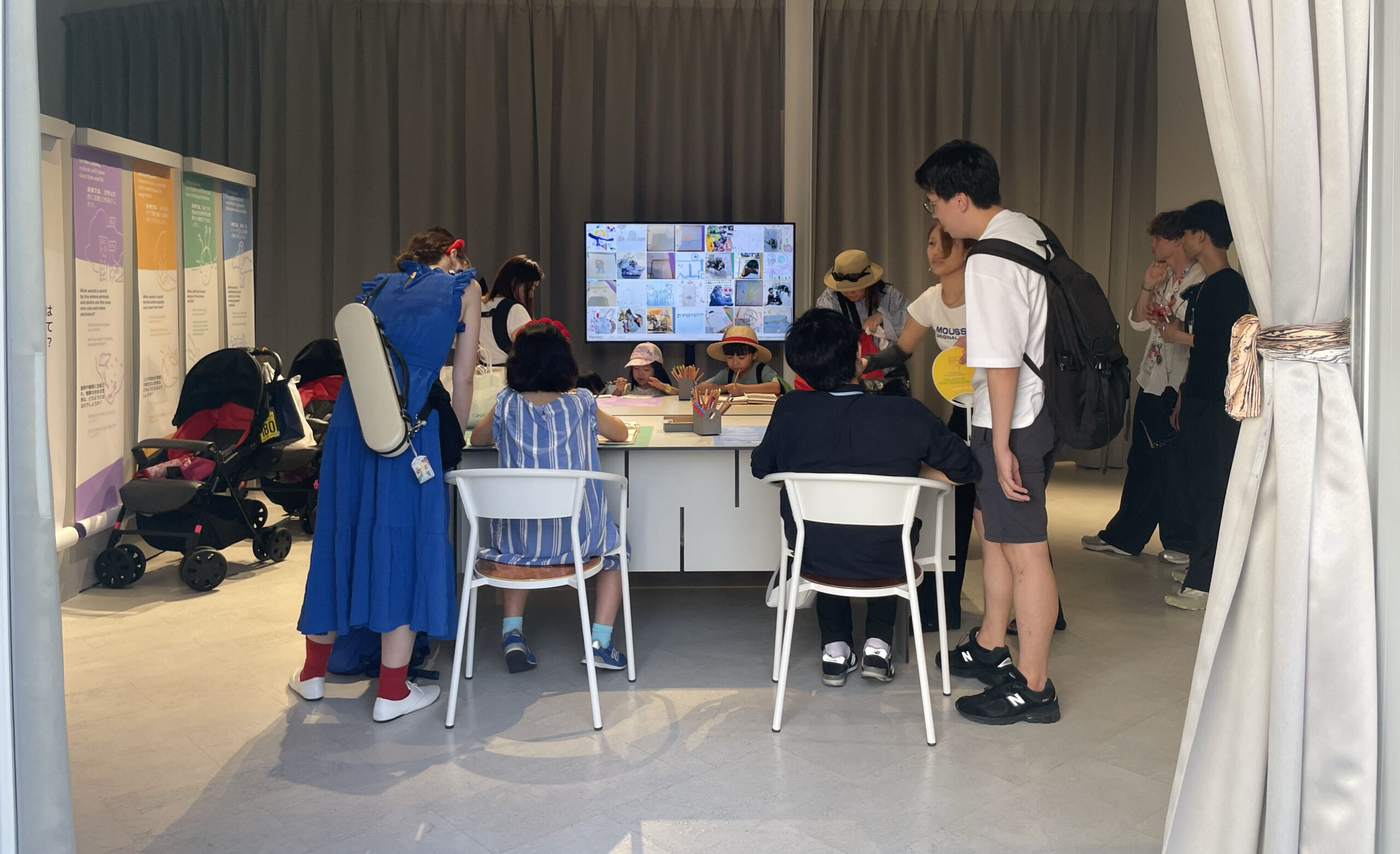
©️ Photography AICEP
An analysis of the visions of what the future of humanity might look like revealed that 87% of the responses were positive and full of hope. There was talk of love, sustainability, technological advances, community, happiness and empathy. Only a minority expressed more dystopian concerns. Some answers were very concrete, others poetic, but all came from a desire to collaborate on this vision of what life will be like in 100 years’ time.
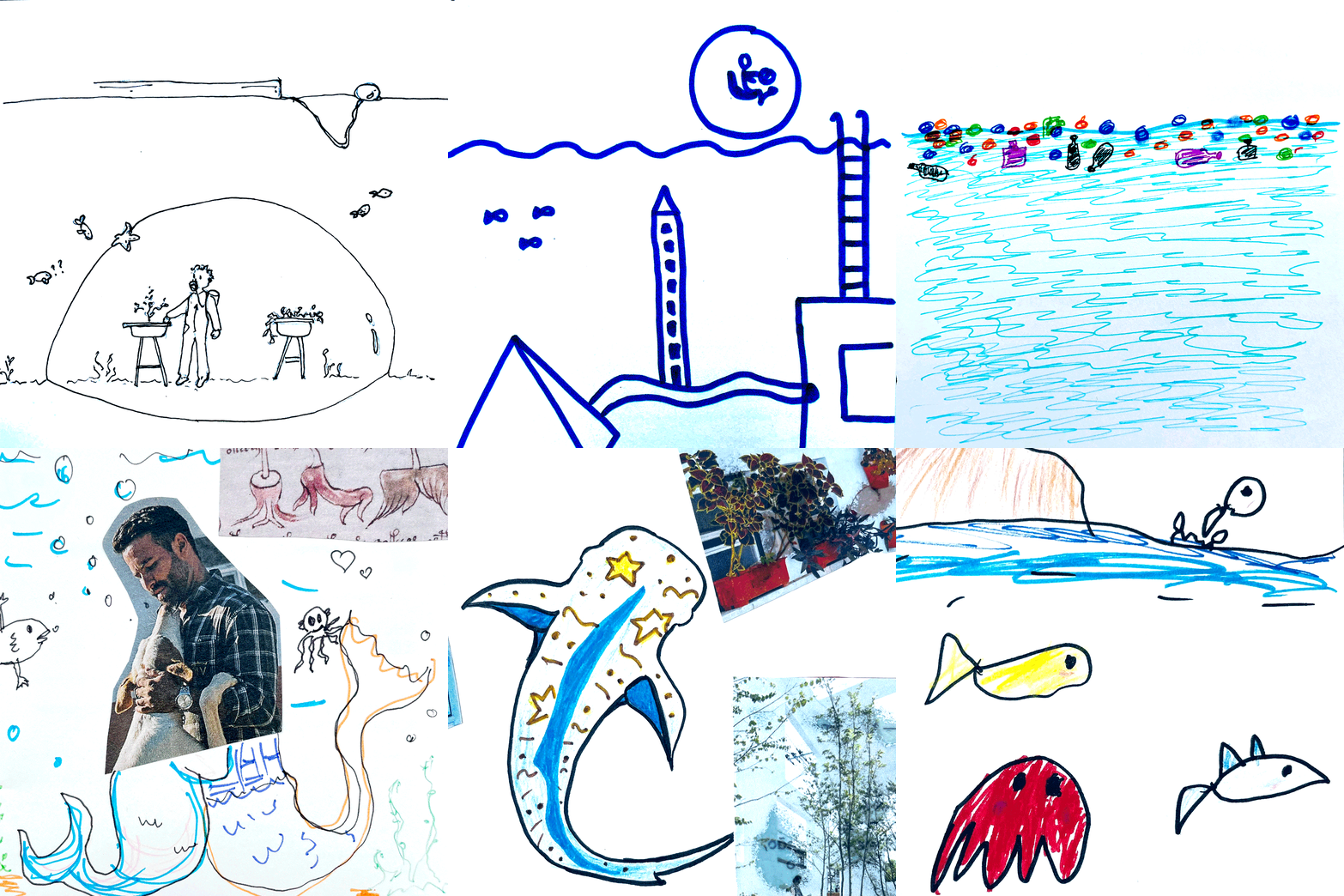
Imagination flowed to the bottom of the sea, into outer space, and inside the human body. There was talk of forest houses, interplanetary cities, wordless communication systems, and hybrid communities of humans and animals. Among the most striking proposals, we’d like to highlight a few visions that stayed with us:
“In the future, human beings will be Veggiemen, assimilating plant characteristics to live in symbiosis with the natural world.” Or: “In a world dominated by AI, we will be constantly fed and our thoughts controlled, so that we believe we are permanently on vacation.” The human body — and how it might adapt to the future — inspired answers such as: “Our bodies will be hydrodynamic to adapt to life underwater. We’ll have large eyes to see in the dark, streamlined heads and arms, and hands and feet with greater propulsion in the water.”
And demographic growth was captured this way: “In the future, we will continue with our daily lives, but in underground cities.”
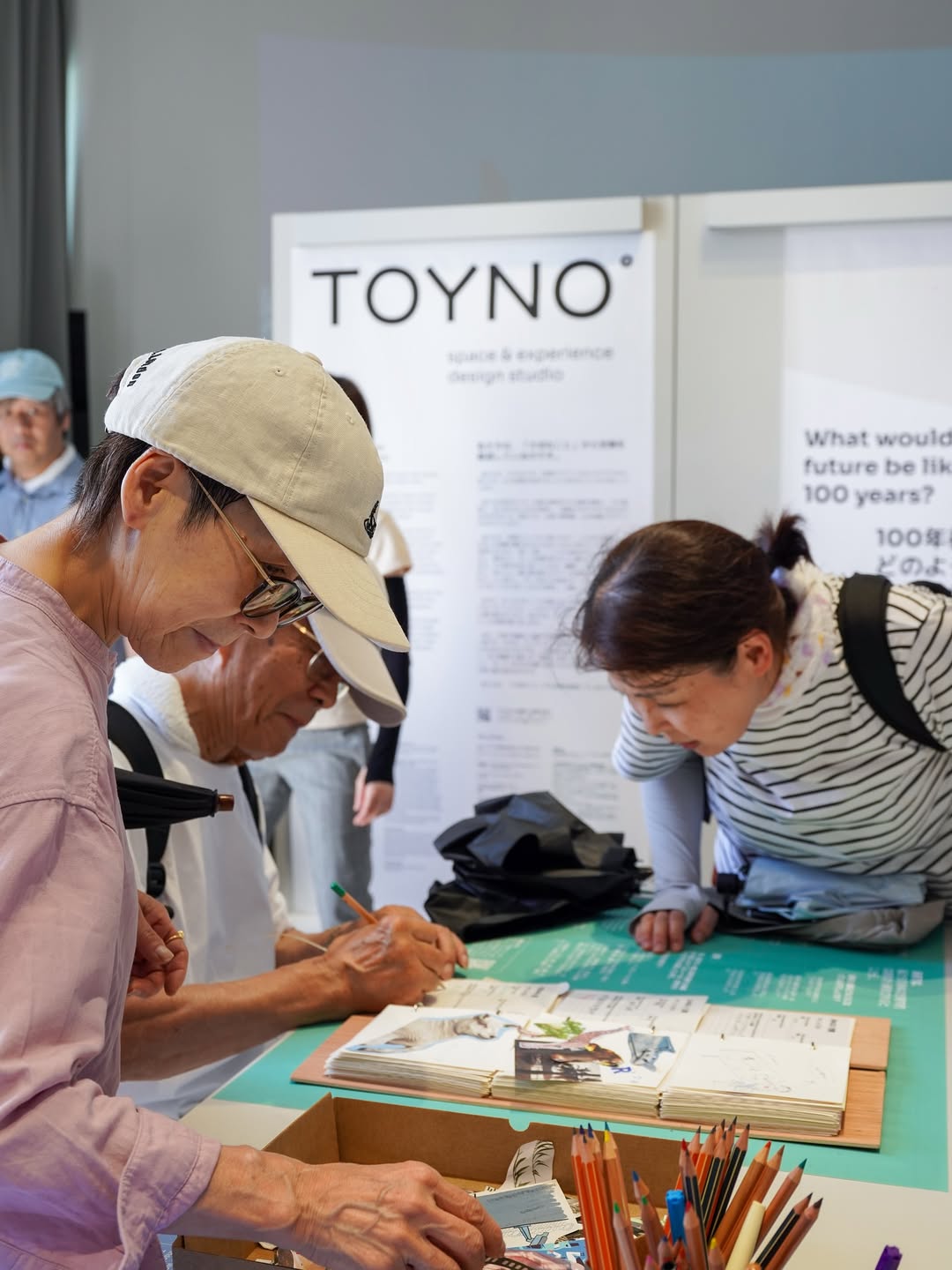
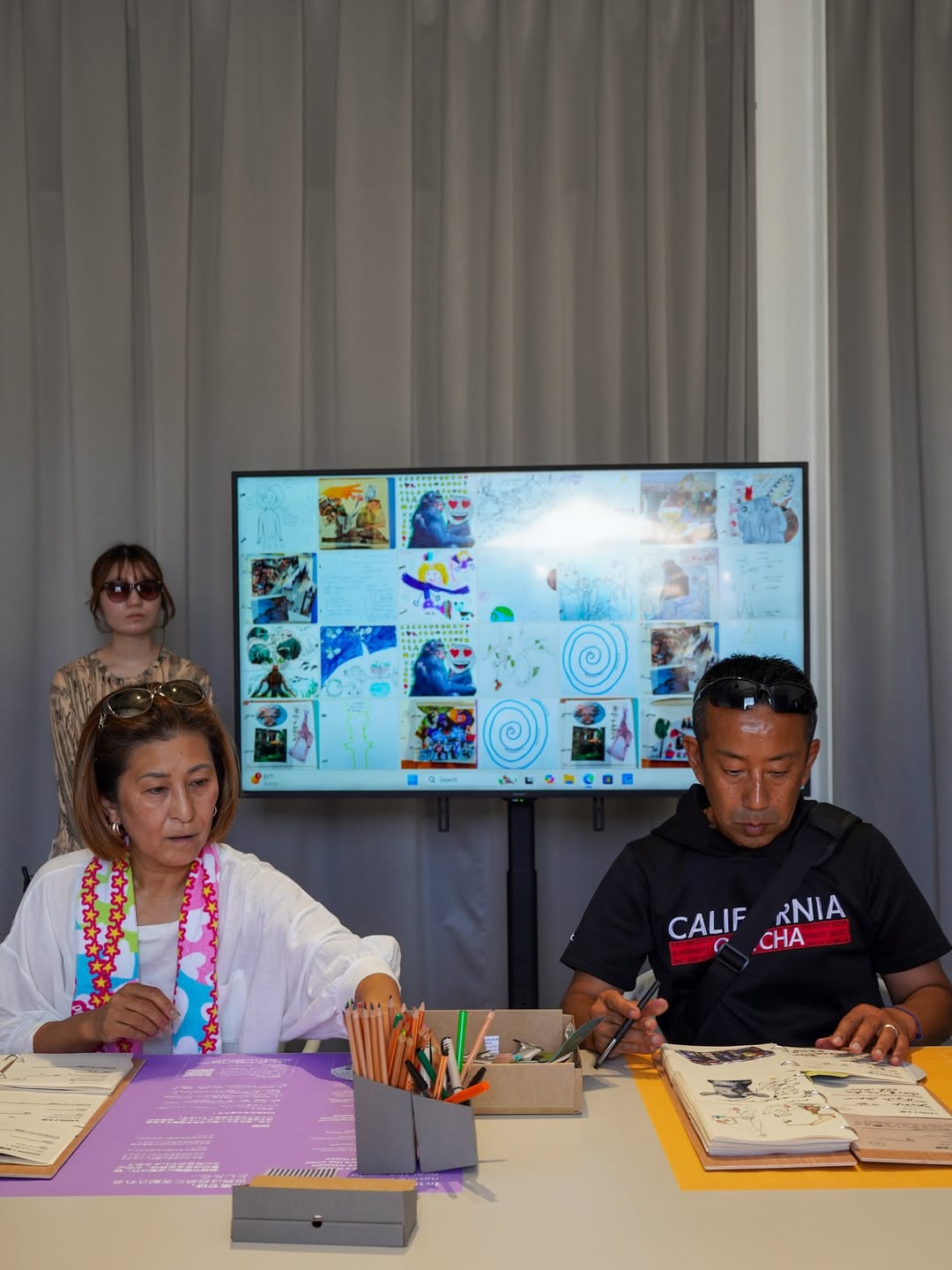
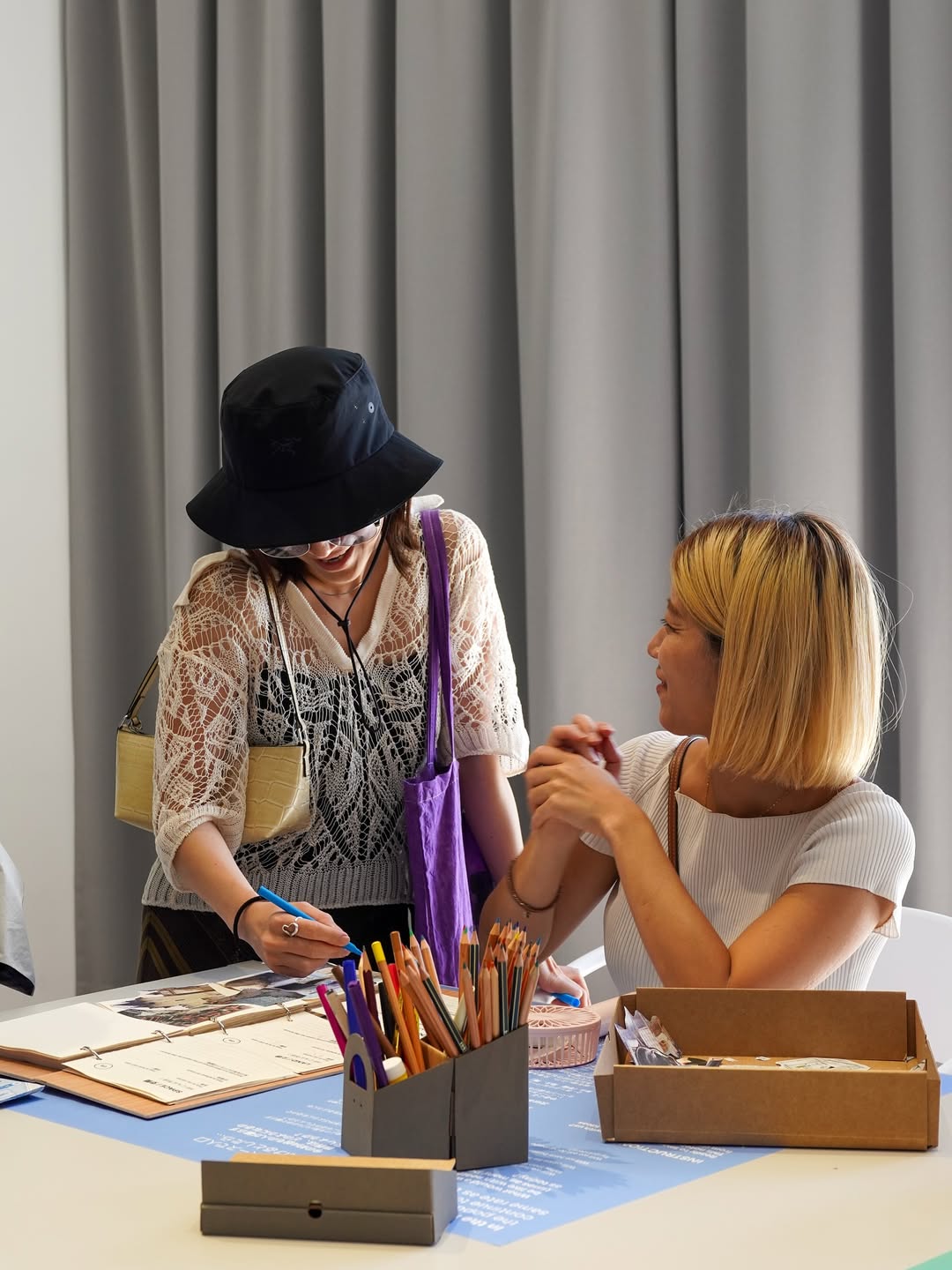
©️ Photos AICEP
Of the 323 possible futures imagined, we grouped the answers into seven major visions:
Community Vision
A vision guided by universal human values , empathy, unity and harmony , where collective well-being lies at the heart of all relationships.
Technological and Scientific Vision
A vision shaped by innovation, science, technology and artificial intelligence, where life as we know it is transformed by teleportation, automation, biological evolution and biotechnology.
Cosmic and Exploratory Vision
A cosmic vision that expands human presence beyond Earth’s boundaries , into outer space, the ocean depths, and new ecosystems, reinventing the way we live.
Aspirational Vision
A vision of the future centred on personal fulfilment, growth, ambition and achievement, valuing knowledge while balancing family, community and inclusion.
Social and Urban Vision
A vision focused on transforming social and urban structures through new ways of living and organising regenerative, sustainable and collaborative communities, rethinking our shared spaces.
Idealistic vision
A utopian vision of a peaceful, just and inclusive future, in harmony with all living beings.
Dystopian Vision
A vision that serves as a warning — a future marked by environmental collapse, inequality, scarcity and overconsumption: the worst version imaginable.
For TOYNO, it was more than an experience. It was a moment when we worked as we like best: by setting a challenge and inviting the community to reflect with us.
Today, we are even more convinced that the future is not drawn in straight lines.
Now, we move forward — taking these visions to new places, sharing them with those who wish to imagine the future with us, proposing new challenges and asking new questions.